

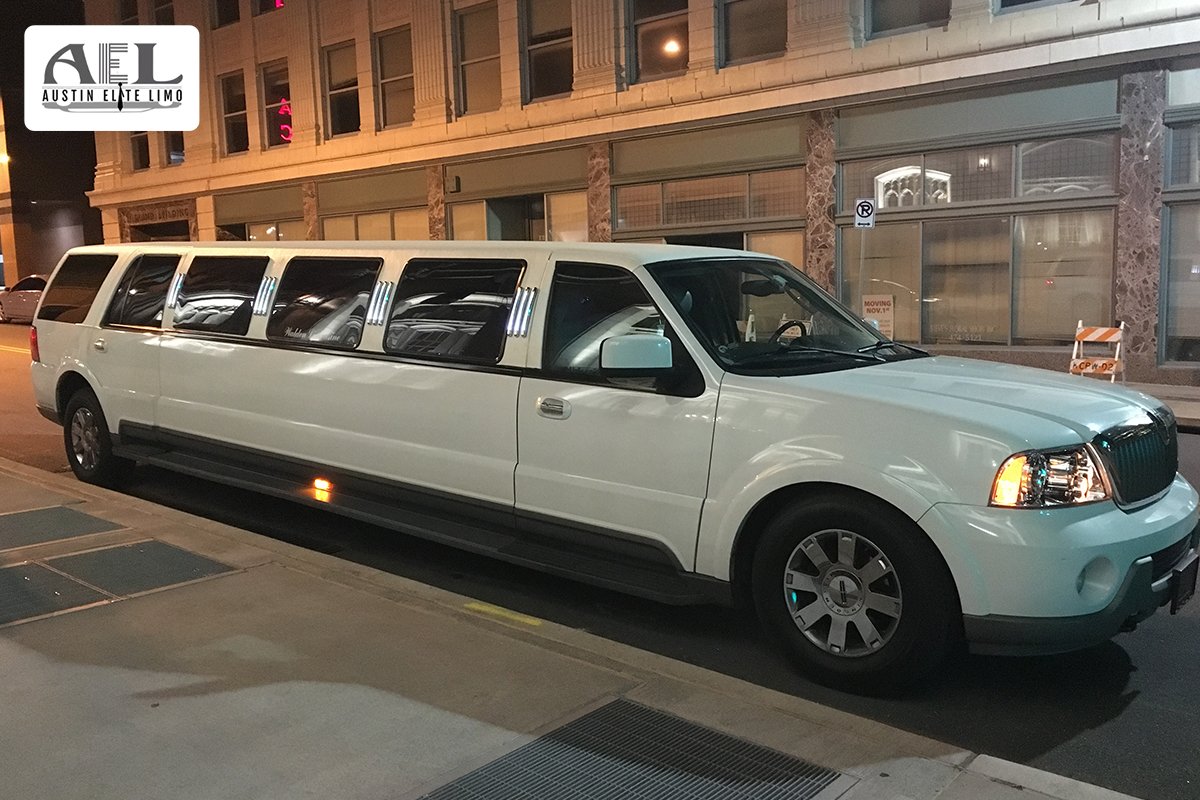
Executive travel has shifted from basic point-to-point movement to a structured mobility system that supports leadership performance. Limousines in Austin, Texas, now represent precision, discretion, and operational control rather than luxury alone. Austin Elite Limo aligns executive transportation with business tempo, ensuring comfort without compromising professionalism. This blog explains how structured limousine services support executive productivity, risk management, and corporate image, while turning transit time into a measurable business asset worth understanding in detail.
Precision Scheduling That Protects Executive Time
Executive calendars operate with very tight schedules where even the slightest delay causes a chain reaction and disrupts whole processes. Limousine companies depend on foresighted routing, buffer-time modeling, and dispatch coordination to make sure their clients arrive on time. Schedules are planned with margin controls that absorb traffic variability and logistical friction. This structured timing allowed executives to meet commitments consistently and reduced dependency on uncertain transport options.
Time discipline also improves decision quality. When leaders arrive unhurried and prepared, cognitive load decreases and focus improves. Limousine scheduling frameworks were designed to support demanding itineraries in the past, remain reliable today, and will continue adapting as business travel density increases across urban corridors.
Chauffeur Expertise and Executive Discretion
Professional chauffeurs strictly follow behavior and discretion rules. Their duties are not limited to driving, but also include the management of personal security, awareness of the environment, and setting limits for communication. Executives benefit from silent cabins, controlled interactions, and predictable conduct that protects sensitive discussions and strategic materials throughout transit.
This discretion has long supported high-level travel requirements. It safeguards conversations today and will remain essential as corporate risk sensitivity increases. Chauffeur professionalism ensures executives remain insulated from external distractions, maintaining composure and authority from departure through arrival.
Mobile Productivity as a Strategic Advantage
Limousines function as mobile work environments engineered for executive output. Spacious seating, noise insulation, and uninterrupted transit allow leaders to conduct calls, review reports, or prepare briefings efficiently. Travel time that was once nonproductive now becomes an extension of the workday.
This productivity model supported executive efficiency earlier, sustains it now, and will remain relevant as remote coordination and hybrid leadership structures expand. Mobility that preserves workflow continuity strengthens executive effectiveness without adding schedule pressure.
Corporate Image and Perception Management
Arrival perception influences stakeholder confidence. A limousine conveys preparedness, authority, and organizational maturity without unnecessary display. This controlled presentation supports leadership credibility during negotiations, internal meetings, and formal engagements.
Image consistency reinforced corporate positioning in previous business cycles, supports brand perception today, and will continue influencing trust dynamics. Executive transportation becomes part of strategic communication rather than a background logistical detail.
Safety Engineering and Risk Control Systems
Executive transportation demands layered safety planning. Limousine fleets follow preventive maintenance cycles, vehicle diagnostics, and compliance-driven inspections. Routes are evaluated for congestion risk, exposure variables, and operational reliability to reduce uncertainty.
These safeguards lowered transit risk historically, protect executives now, and will evolve alongside urban mobility challenges. Safety engineering transforms executive travel into a controlled operational environment rather than an unpredictable exposure point.
Fleet Versatility for Professional and Formal Use
Executive fleets are designed for adaptability across multiple use cases. The same vehicles supporting leadership travel also manage structured group movements, including a Limo for wedding party in Austin, when executives attend formal or ceremonial events connected to professional obligations.
This versatility simplified logistics before, delivers continuity today, and will remain valuable as executives balance corporate and social responsibilities. A unified fleet standard eliminates service inconsistency across different travel contexts.
Cost Efficiency Through Predictable Mobility Models
Limousine services reduce hidden expenses caused by delays, rerouting, and fragmented billing. Fixed pricing, optimized fuel use, and centralized scheduling create financial predictability. Executives and organizations gain transparency without sacrificing service quality.
This efficiency model supported budget discipline in the past, controls costs today, and will scale effectively as executive travel demands grow. Predictable mobility aligns transportation spending with measurable business outcomes.
Conclusion
Executive transportation increasingly reflects operational intelligence rather than convenience. Limousines in Austin, Texas, deliver structured mobility that protects time, productivity, and professional presence. Austin Elite Limo integrates scheduling precision, discretion, and safety into every journey, ensuring executive travel functions as a strategic asset instead of a logistical variable.
Call to Action
With precision and professionalism, optimize your executive transportation. provides dependable, covert, and quality-driven limousine services for professional movements. Dial (512) 632-9527 now to book executive transportation that suits your corporate preferences and high-quality operational practices.
FAQS
Limousine environments guarantee continuous focus by means of their silent cabins, the presence of professional drivers, and the use of pre-determined routes. Executives are able to hold meetings, read documents or develop strategies, and so on, while they are in motion, thus changing the travel time into hours of effective work with no worries about privacy.
Yes. Executive fleets are designed for versatility. They support corporate schedules while also accommodating structured event logistics, including a Limo for wedding party in Austin, ensuring consistent service standards across professional and formal engagements.
Limousine services apply preventive maintenance, trained chauffeurs, and route risk assessments. These controls reduce exposure to delays, safety incidents, and unpredictability, creating a managed travel environment aligned with executive risk profiles.